"At first I thought the price was steep but what you get makes it truly memorable. Our guide Johnny was phenomenal — great stories, very informative. Going to the summit independently would require renting a 4x4 and navigating a dicey downhill drive in the dark. This is well worth it."
Mauna Kea Stargazing Tours — See the Night Sky from the World's Best Observatory
Stand 13,796 feet above sea level, above the clouds, under the darkest skies in the Pacific — guided by experts who know every star in the Hawaiian night sky.
From
$289
per person
Free cancellation
- 4.8 / 5 738+ Reviews
- 6.5–7.5 hours Duration
- 13,796 ft Summit Elevation
- Expert Guide Star & Sky Expert
- Free Cancellation
Start Here
Which Mauna Kea Tour Is Right for You?
Six operators, three departure points, and a 13,796 ft summit that isn't right for everyone. The short version:
Pick by what matters most
- Best all-round: the Hilo summit sunset & stargazing tour — 4.8/5 from 738 reviews, the most-booked option on the island. See the tour →
- Best value at $150: a Native Hawaiian-guided hike and stargazing evening at 9,394 ft — 4.9/5, and a private group rather than a shared van. No summit drive. See the tour →
- Staying in Kona or Waikoloa? Book a west-side departure — it's a two-hour drive inland, so pickup is earlier. See the tour →
- Want photos of yourself under the stars? Several tours include professional astrophotography. See the tour →
Know before you book
- You don't stargaze from the summit. It closes 30 minutes after sunset to protect the observatories, so every tour descends to about 9,000 ft for the telescopes. Why →
- Under 13, pregnant, or with a heart or lung condition? Official guidance says don't go above 9,200 ft — but the free Visitor Information Station is open to everyone. The free alternative →
- Thinking of driving yourself? National rental agreements bar the unpaved summit road, and a summit tow can top $3,000. Self-drive rules →
- Hoping to look through a research telescope? You can't — they have no eyepieces. Here's what you can actually visit. The observatories →
Our Pick for Most Visitors
Book the Mauna Kea Summit Sunset & Stargazing Tour
It's the complete version of the night, which is why most first-timers land on it: hotel pickup, the 4WD climb to sunset above the cloud layer, then a professional telescope session with an expert guide once you've descended. Parkas, gloves, snacks and hot chocolate are provided, and your guide photographs you under the stars and emails the shots afterwards. Supplemental oxygen rides along too — which matters more at 13,796 ft than most people expect. Reserve now and pay later, with free cancellation up to 24 hours before.
Pick your date below for live availability and instant confirmation — with free cancellation up to 24 hours before departure.
The Experience
What Makes This Tour Special
Everything that makes this a top-rated experience.
Highlights
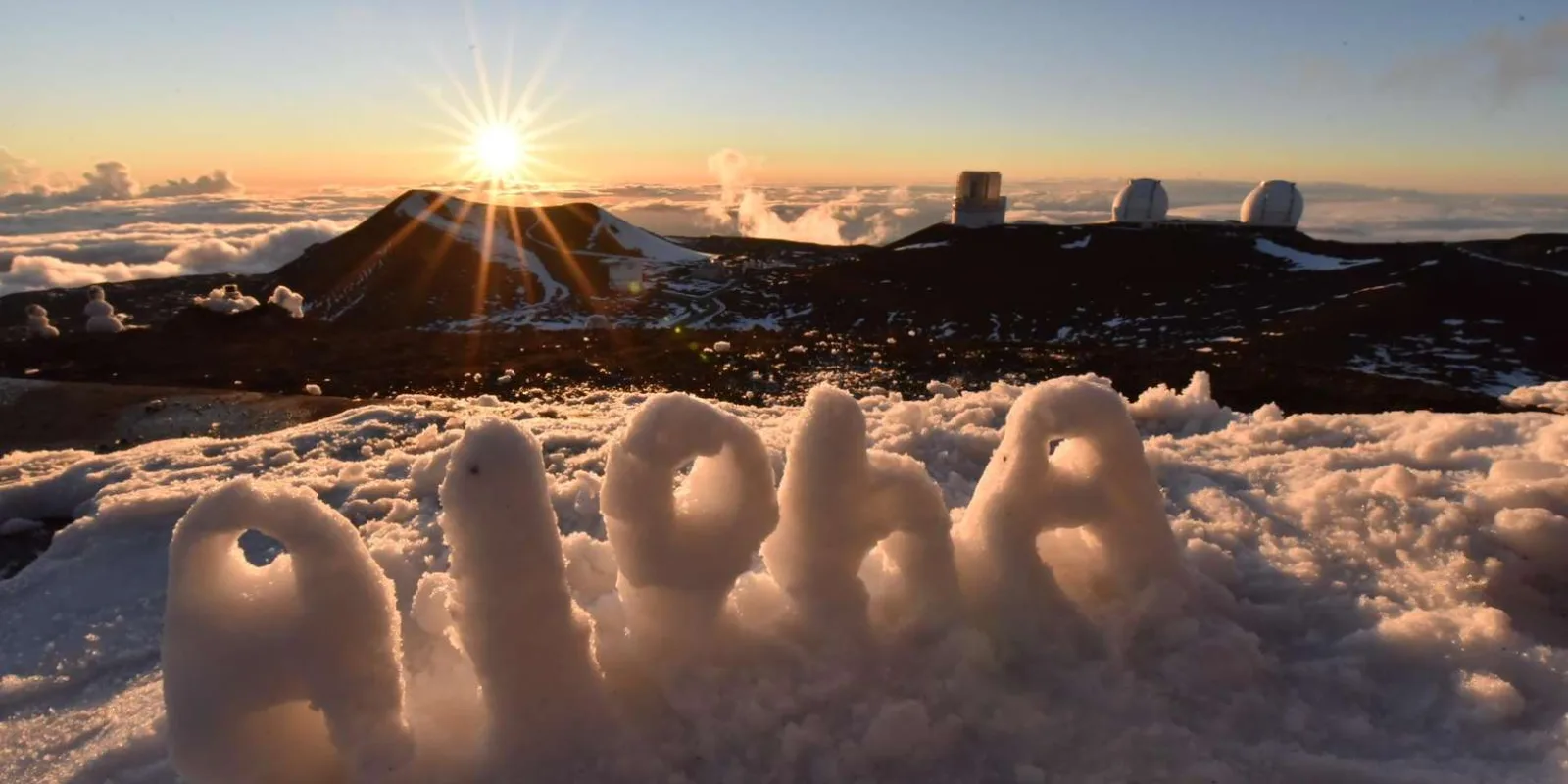
- Witness a Pacific-horizon sunset from the 13,796 ft summit of Mauna Kea
- Stand beside the world's largest collection of research telescopes
- Stargaze through a professional telescope guided by an expert astronomer
- Discover where the first black hole photograph was taken
- Receive free guided night photos emailed after the tour
What's Included
- Hotel pickup and drop-off from select locations
- Warm parkas and gloves
- Snacks and hot chocolate
- Professional guide
- Free night photos emailed after the tour
- Supplemental oxygen available on board
How It Works
Four simple steps to your booking.
Browse & Compare
Explore Mauna Kea stargazing tours from summit sunsets to Native Hawaiian hikes — filtered by pickup location, duration, and what's included.
Choose Your Experience
Summit at 13,800 ft or stargaze at 9,000 ft? Telescope + photos or cultural hike? Pick the experience that matches your interests and fitness level.
Meet Your Expert Guide
Your guide — astronomer, Native Hawaiian storyteller, or observatory veteran — meets you at the pickup point with warm gear and everything you need.
Discover the Universe
Above the clouds, under 13,796 ft of open sky, explore constellations, planets, nebulae, and the Milky Way in one of the darkest places on Earth.
The Experience, Start to Finish
Your Night on Mauna Kea, Hour by Hour
A realistic pacing of a summit sunset-and-stargazing tour — what actually happens, and when.
You leave the coast in the afternoon and climb through the cloud layer to the Visitor Information Station at 9,200 ft, where you stop long enough for your body to catch up. The final 4WD push puts you on the summit at 13,796 ft for sunset. Thirty minutes after the sun goes, everyone descends — that part isn't optional — and the telescopes come out at around 9,000 ft, where there's more oxygen and your night vision actually works. Most groups are back at their hotel by about 10:30 pm.
- Hotel pickup, around 2:00 pm — Kona and Waikoloa departures leave first — it's a two-hour drive inland. Hilo-side pickups run closer to 3:00 pm. Bring your own base layers; the parka comes later.
- Acclimatization at 9,200 ft — A 30-minute-plus stop at the Visitor Information Station. Not filler — the summit holds 40% less oxygen than sea level, and this pause is what keeps altitude sickness at bay. Walk slowly, drink water, skip the alcohol.
- Sunset at 13,796 ft — The last 4WD climb to the summit plateau, among the observatory domes. The sun drops below the cloud deck rather than a horizon. Roughly 30 to 45 minutes, and genuinely cold even in summer.
- The mandatory descent, 30 minutes after sunset — Everyone must be off the summit — state rules protect the observatories from light pollution. This surprises most first-timers, so plan for it: nobody stargazes from the top.
- Telescopes at about 9,000 ft — The real stargazing, at a darker, warmer, more oxygenated elevation. Saturn's rings, Jupiter's moons, star clusters, and the Milky Way as a textured band rather than a smudge.
- Back at your hotel, 10:00–11:30 pm — Return times vary with your pickup point. Expect to be tired, cold, and better company at breakfast than you were at dinner.
Photo Gallery
Through the Lens
Captured by our guests and guides.
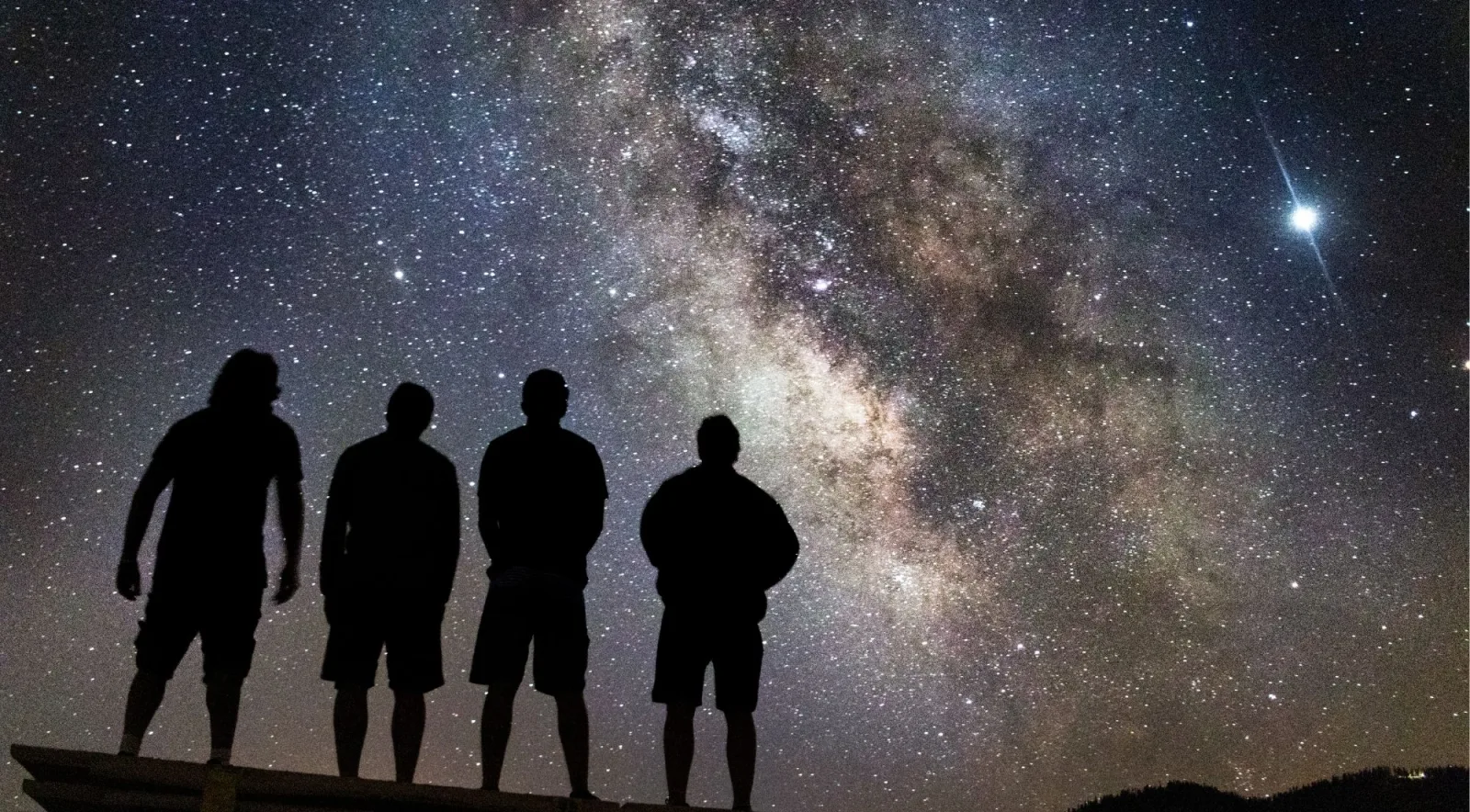
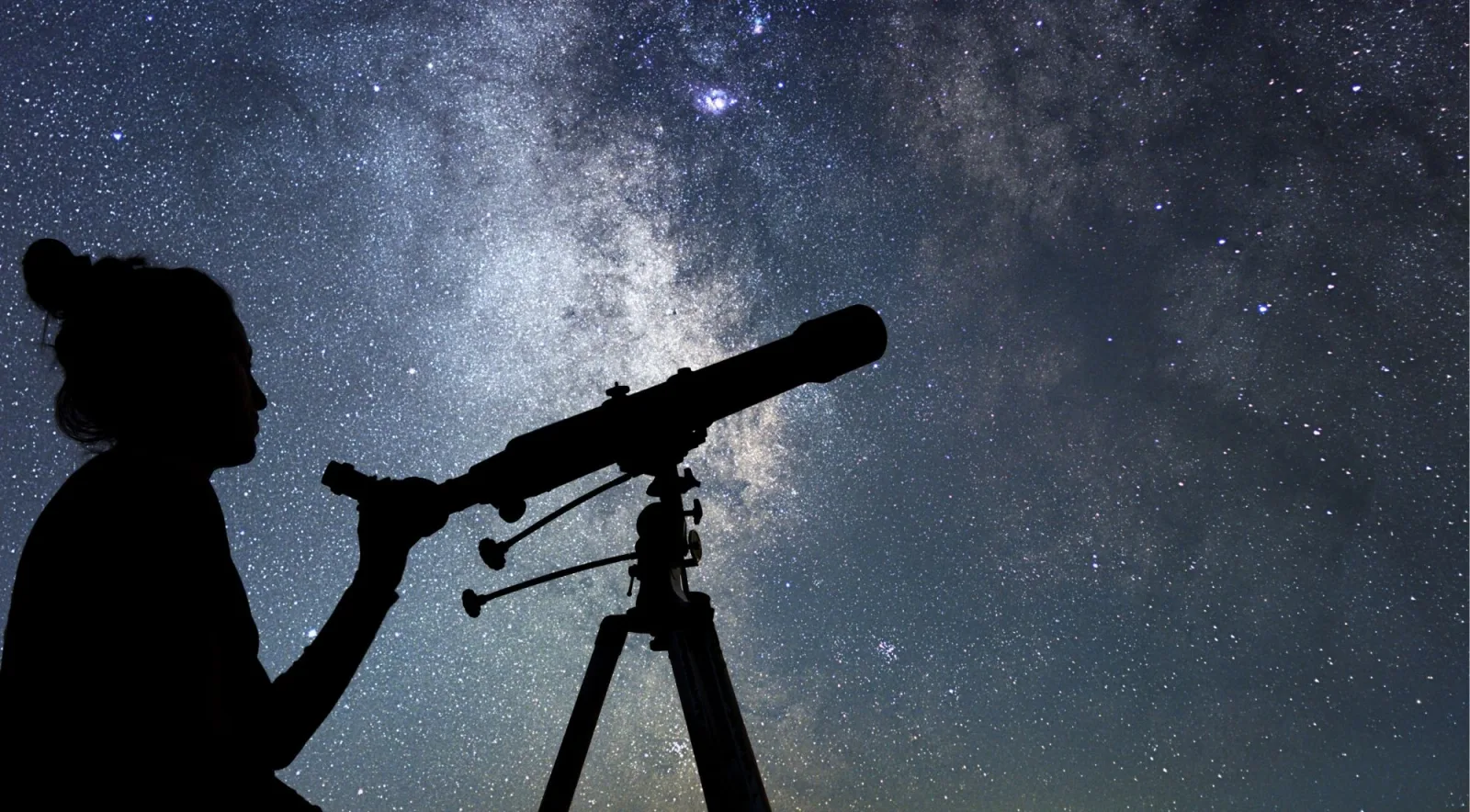
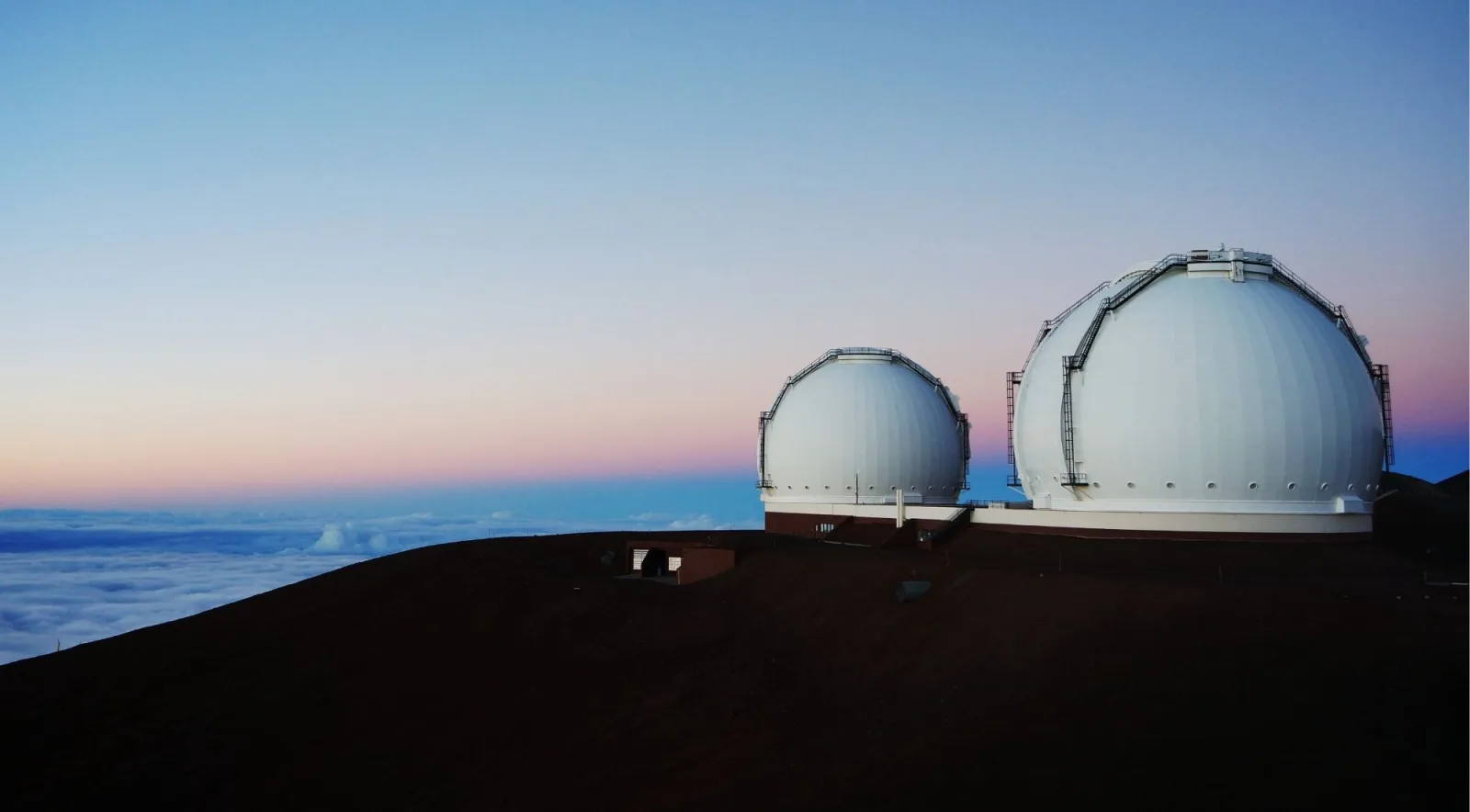
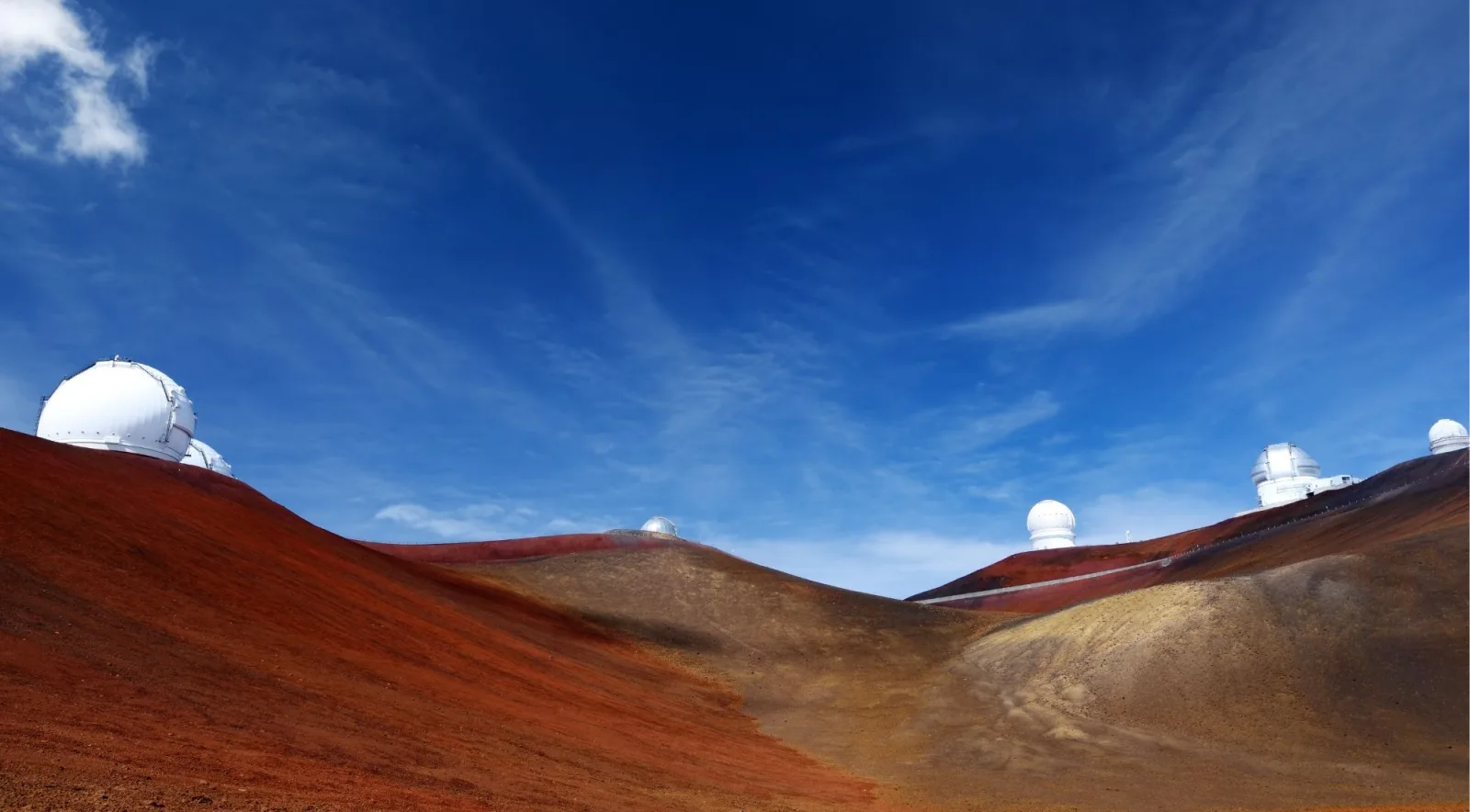
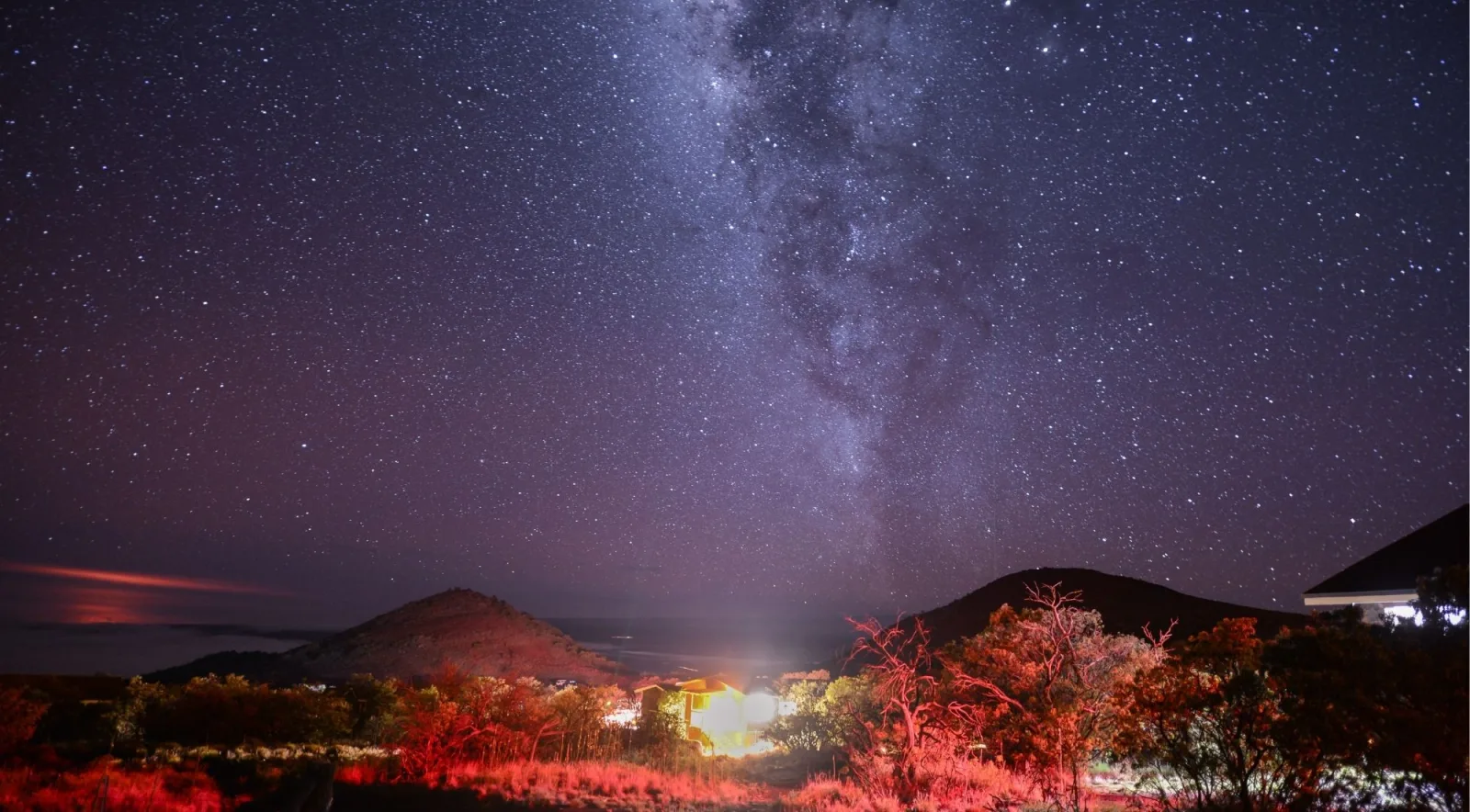
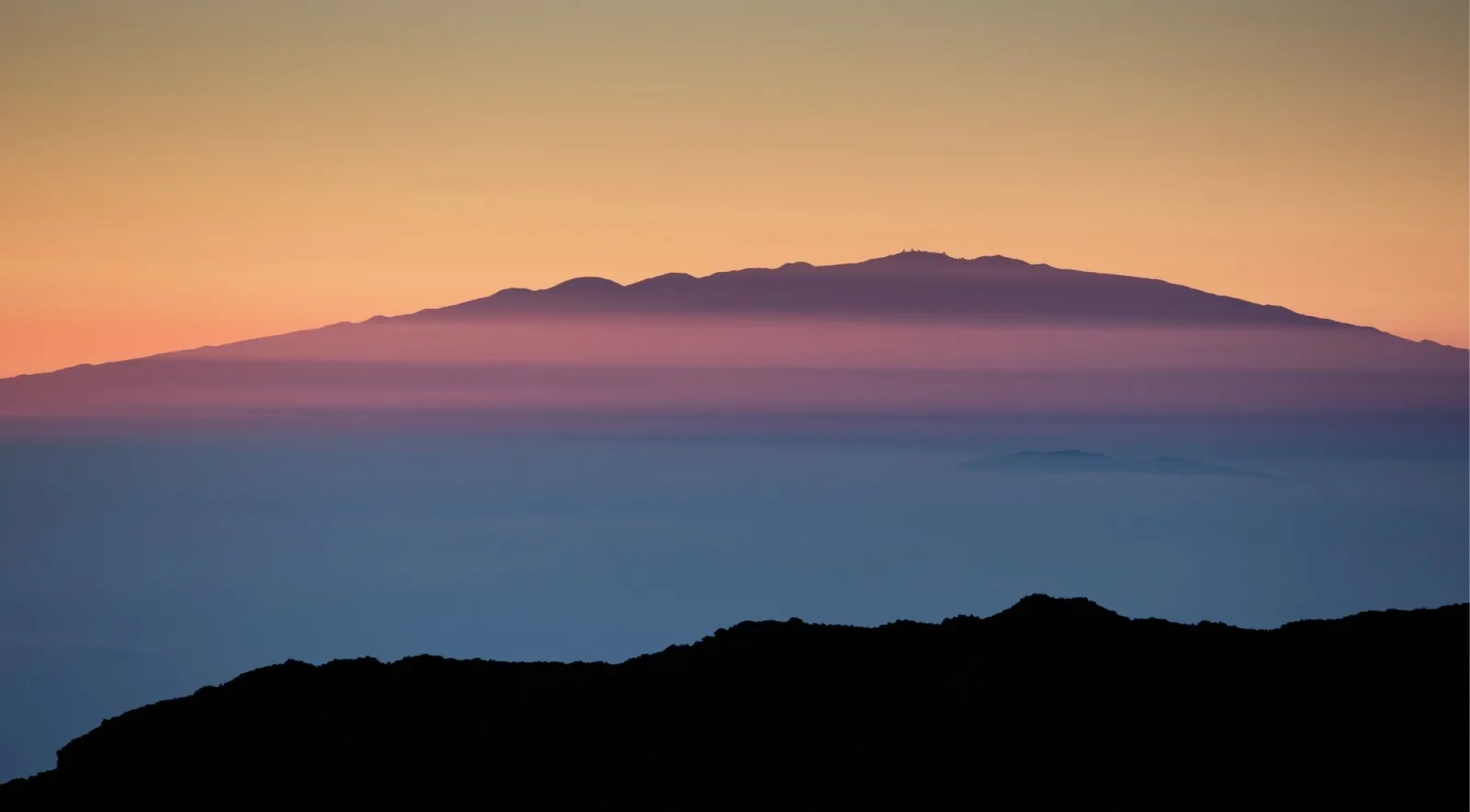
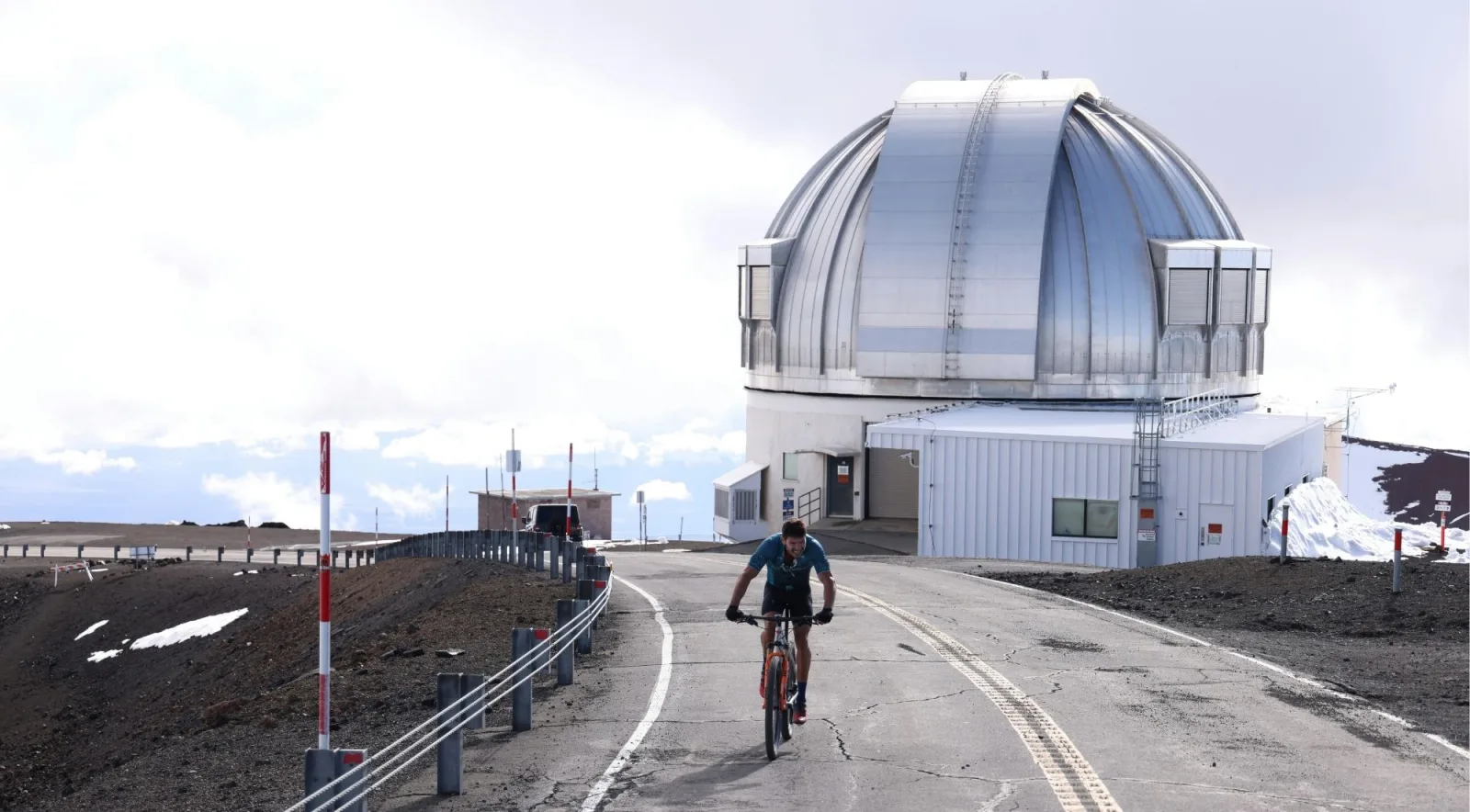
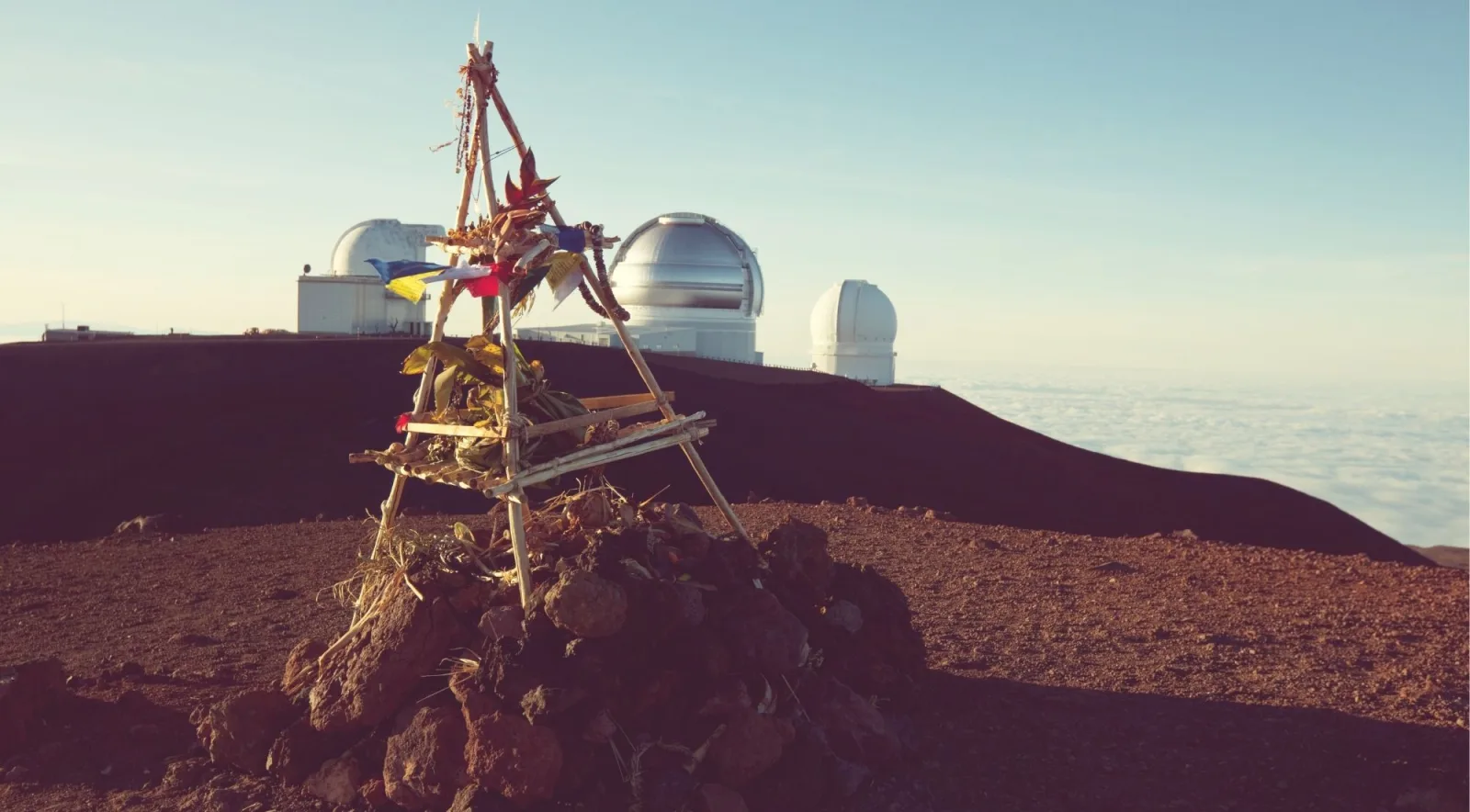
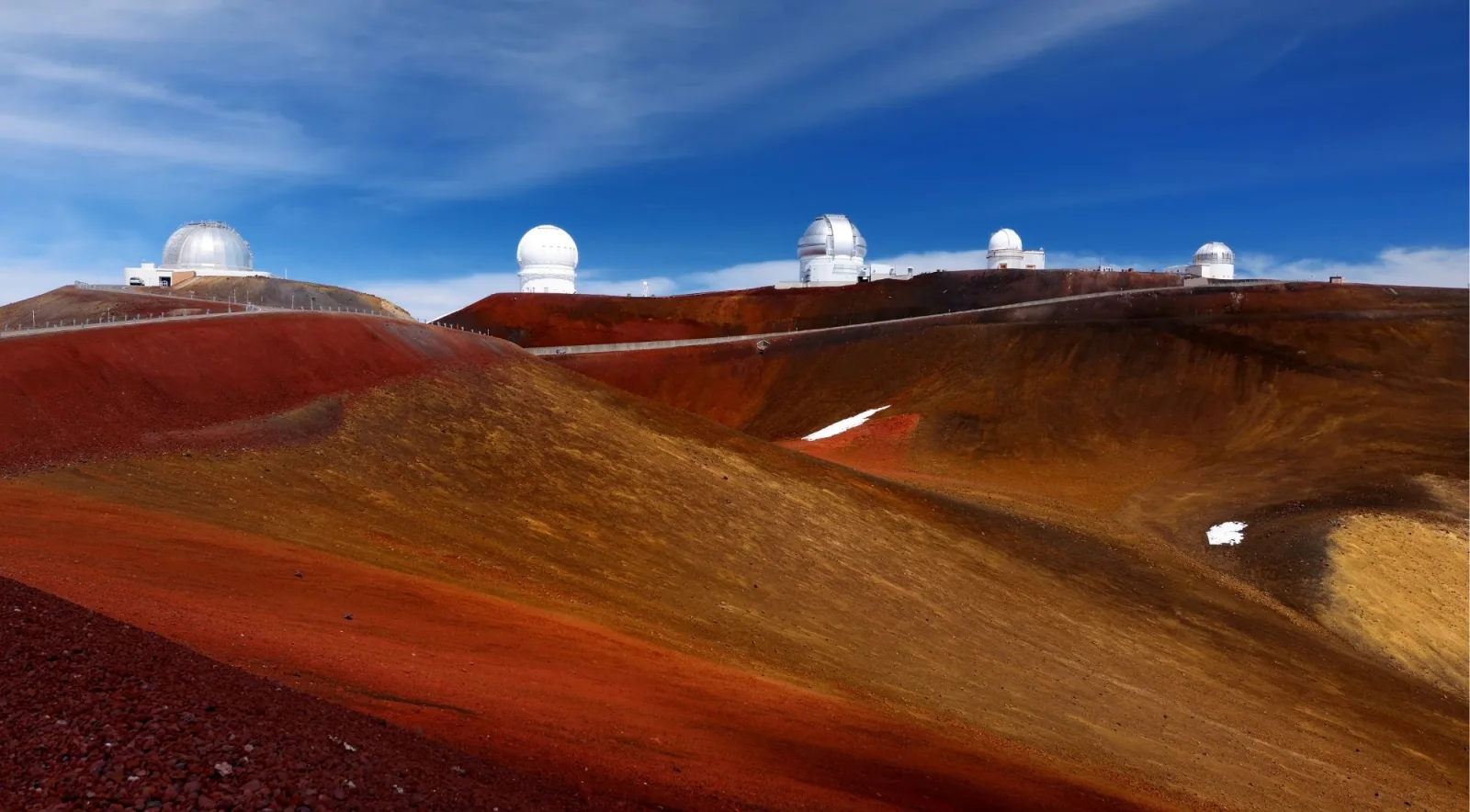
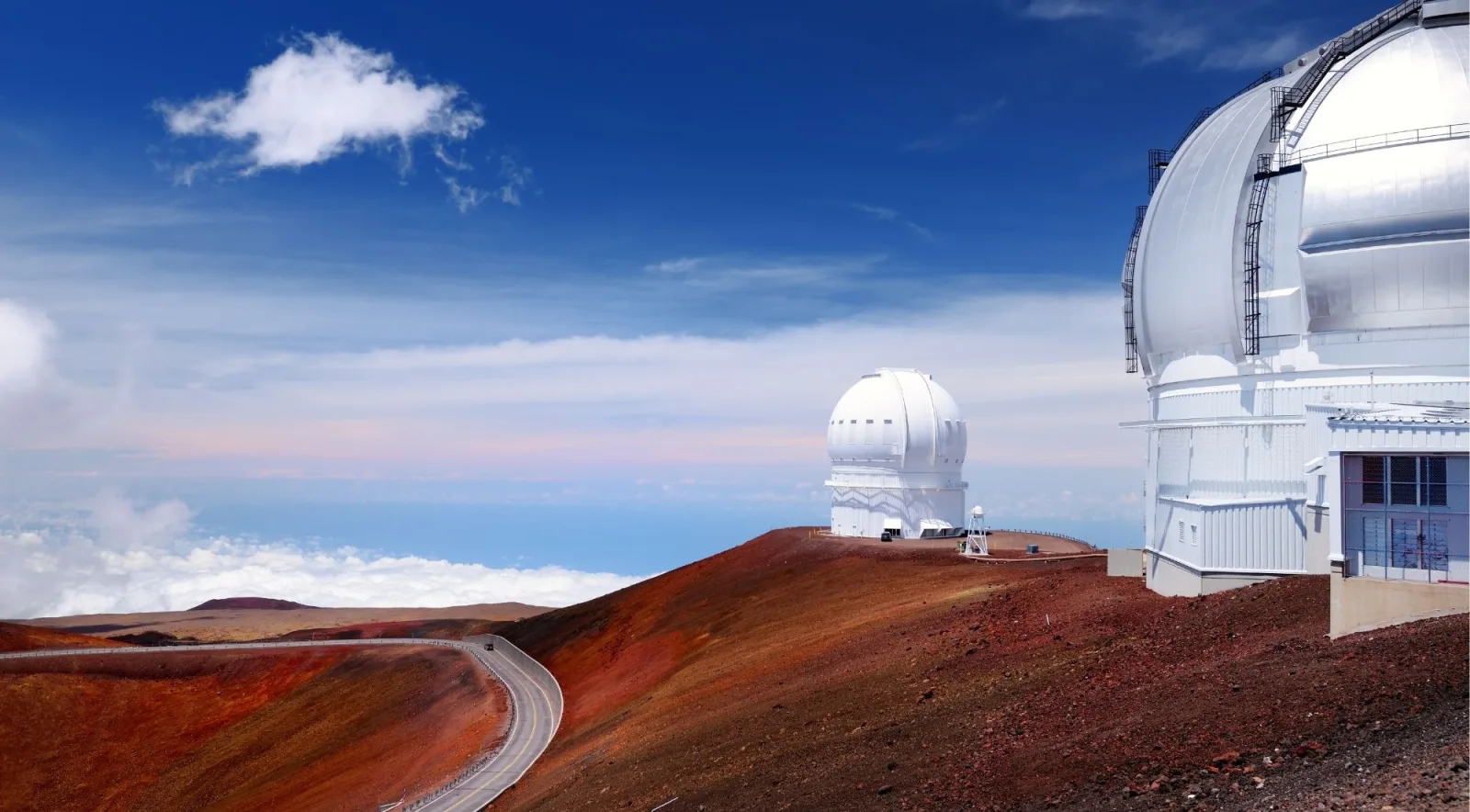
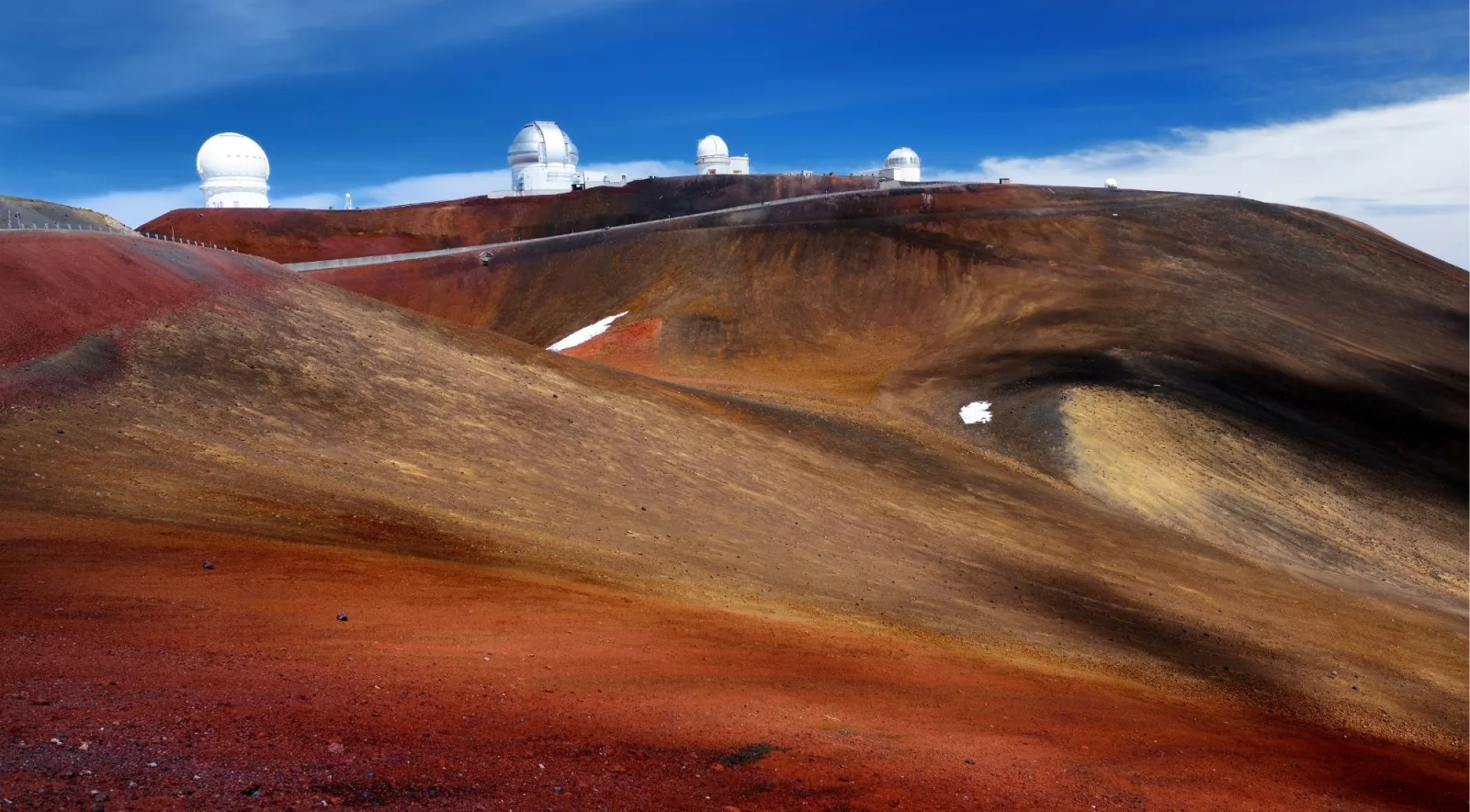
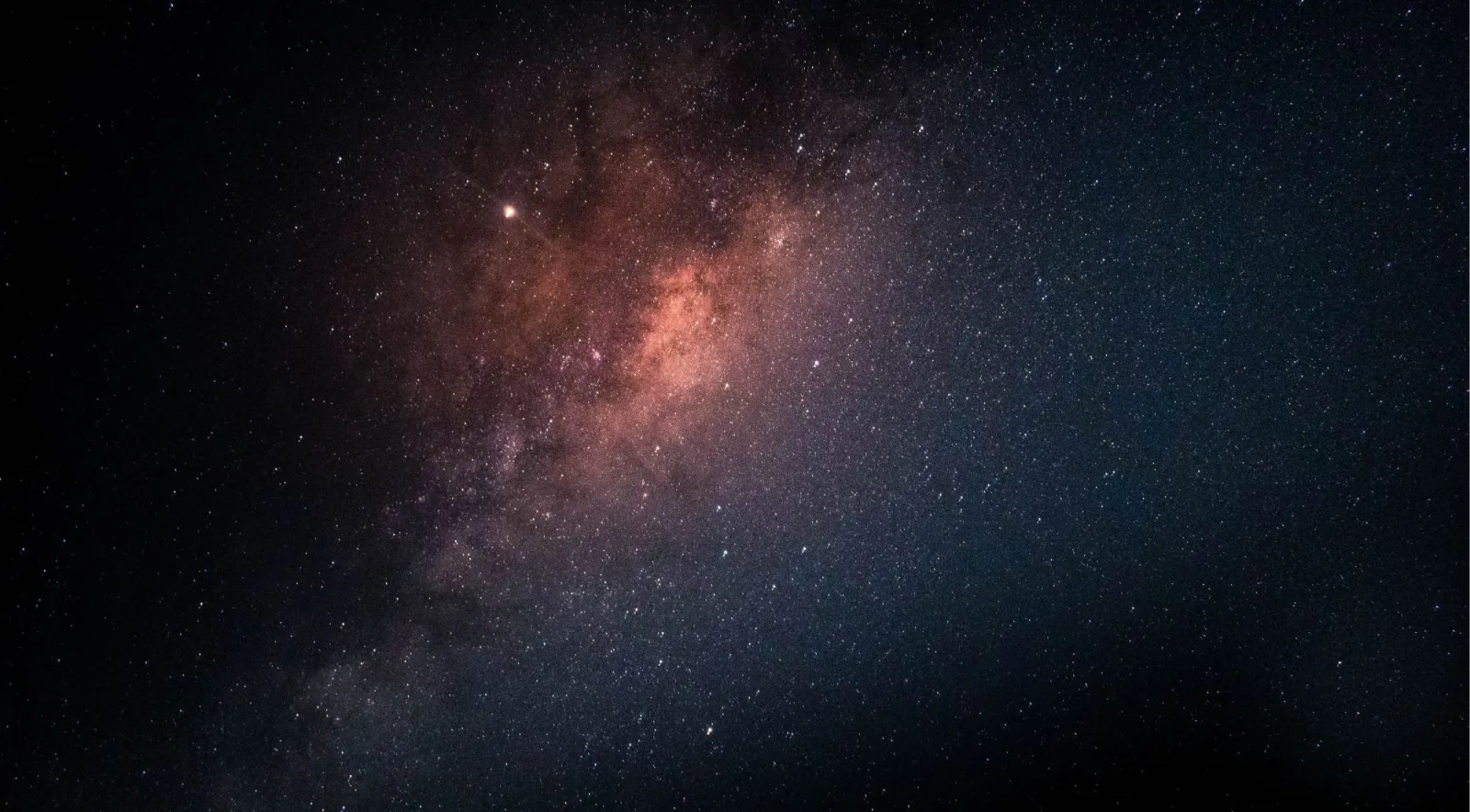
Guided Tour vs. Self-Drive vs. Free Visitor Center
Comparing your options for stargazing on Mauna Kea — what's actually worth it.
| Feature | RECOMMENDED Guided Stargazing Tour | Self-Drive to the Summit | Free Visitor Center Only |
|---|---|---|---|
| Experience Type | Expert-guided sunset + stargazing with professional telescope | Self-drive 4WD to summit — no guide, no telescope | Free exhibits at 9,200 ft — no summit access, no guide |
| Summit Access | ✓ Guided 4WD van to the 13,800 ft summit | Requires a 4WD vehicle (rental extra); road may close | ✗ Only Visitor Center at 9,200 ft |
| Telescope & Guide | ✓ Professional telescope + expert astronomer narration | No guide, no telescope — bring your own equipment | Naked-eye only — free telescope event is monthly, reservation-only |
| Safety at Altitude | ✓ Guide monitors for altitude sickness; oxygen on board | Self-monitored — altitude sickness risk at 13,800 ft | Safer at 9,200 ft — but still elevation-related risks |
| Warm Gear | ✓ Parkas, gloves, and hot drinks provided | Bring your own — temperatures near freezing after dark | Bring your own warm clothing |
| Photos Included | ✓ Guide photographs your experience; images emailed free | Self-photography only — difficult in the dark | Self-photography only |
| Free Cancellation | ✓ Free cancellation on most tours | Not applicable | Free (no booking required) |
| Starting Price | From $289/per person | $100–200+ for 4WD rental + fuel, no stargazing guarantee | Free — but very limited experience |
| Book Now | Browse All Tours | View Options |
More Options
Explore More Tours
Looking for something different? Browse popular alternatives — all with free cancellation and instant confirmation.
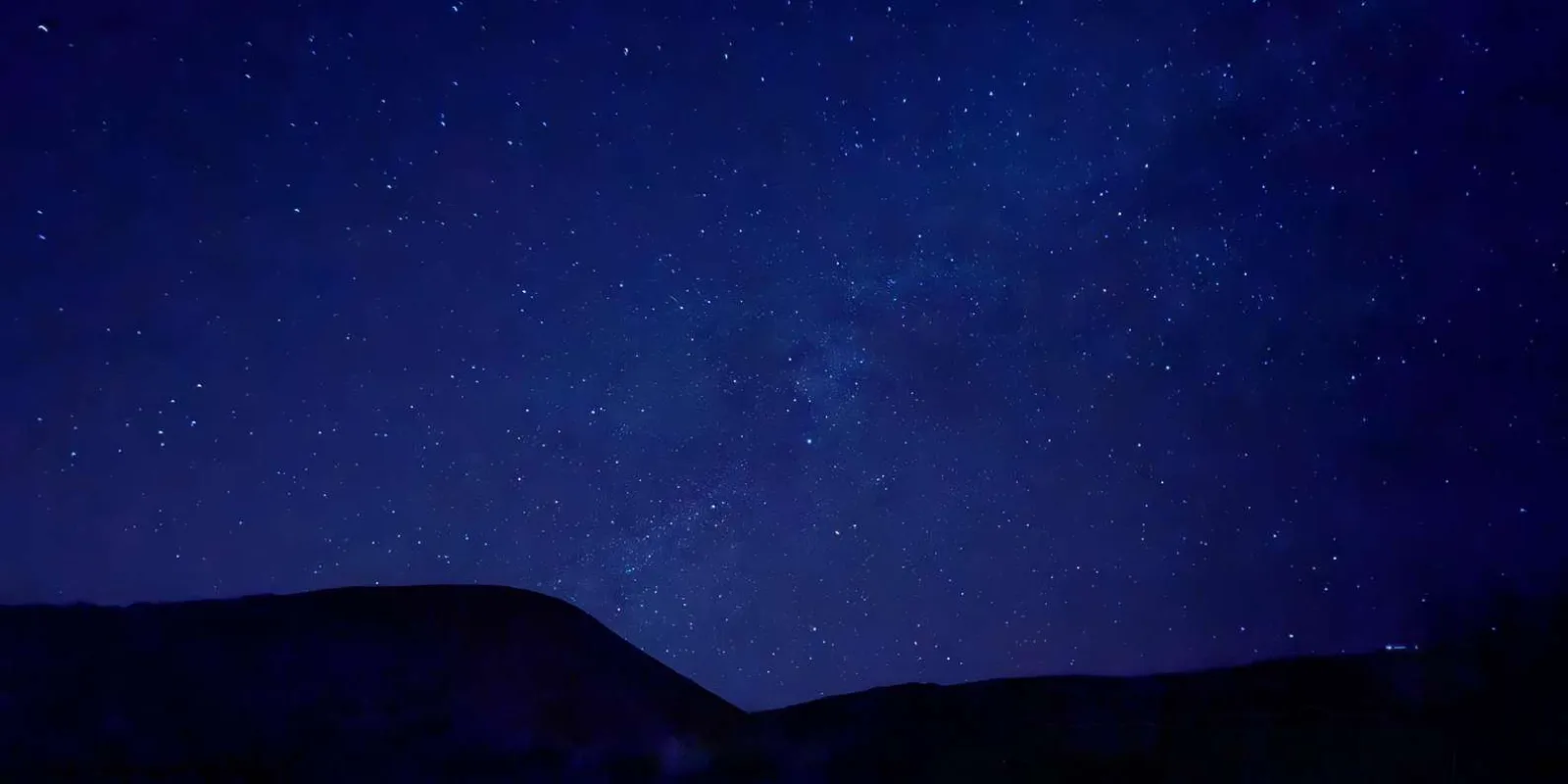 BUDGET PICK
Mauna Kea Hike & Stargazing with Native Hawaiian Guide
A 4-hour guided hike to 9,394 ft on the Humu'ula Trail, led by a Native Hawaiian storyteller who shares the celestial navigation traditions, legends, and endemic ecology of Mauna Kea.
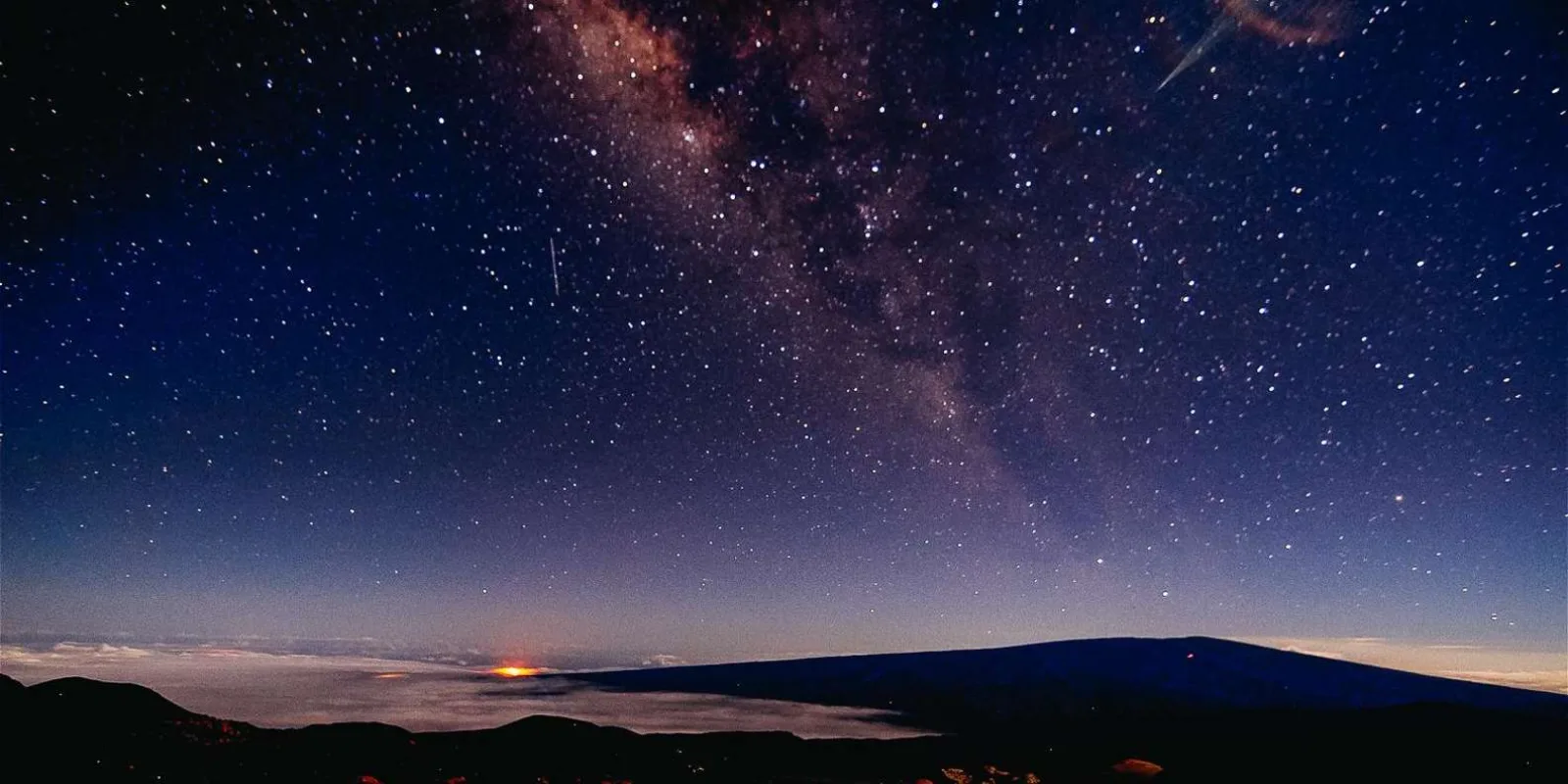 FROM HILO
Mauna Kea Stellar Explorer from Hilo
Start from Hilo with visits to Rainbow Falls and Kaumana Caves before stargazing through a large-aperture telescope on the slopes of Mauna Kea — led by professional astronomers.
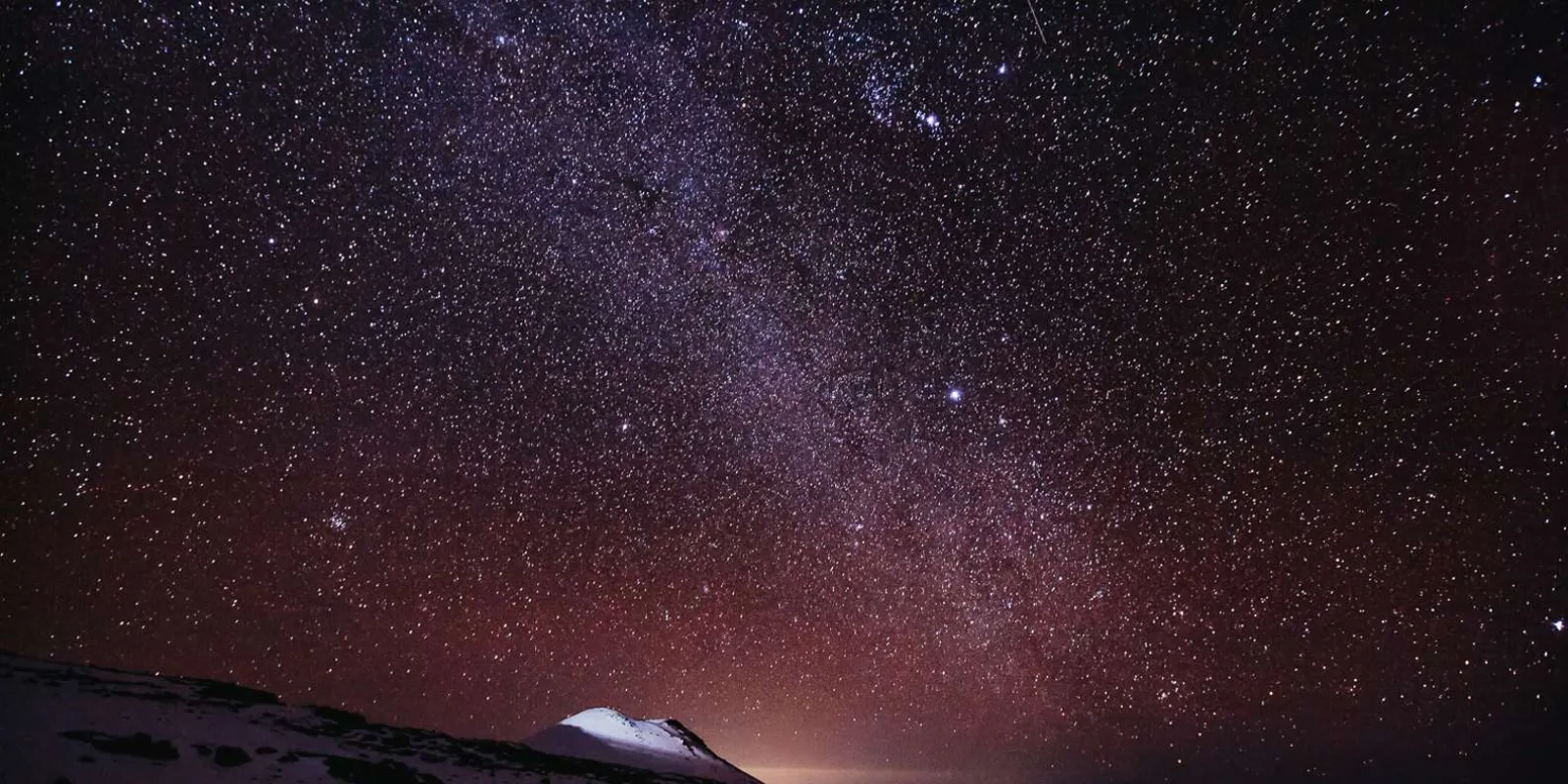 FROM KONA
Mauna Kea Stellar Explorer from Kona
An expert-led 6-hour stargazing tour from Kona combining daytime solar viewing through a special telescope with nighttime deep-sky observation on the slopes of Mauna Kea.
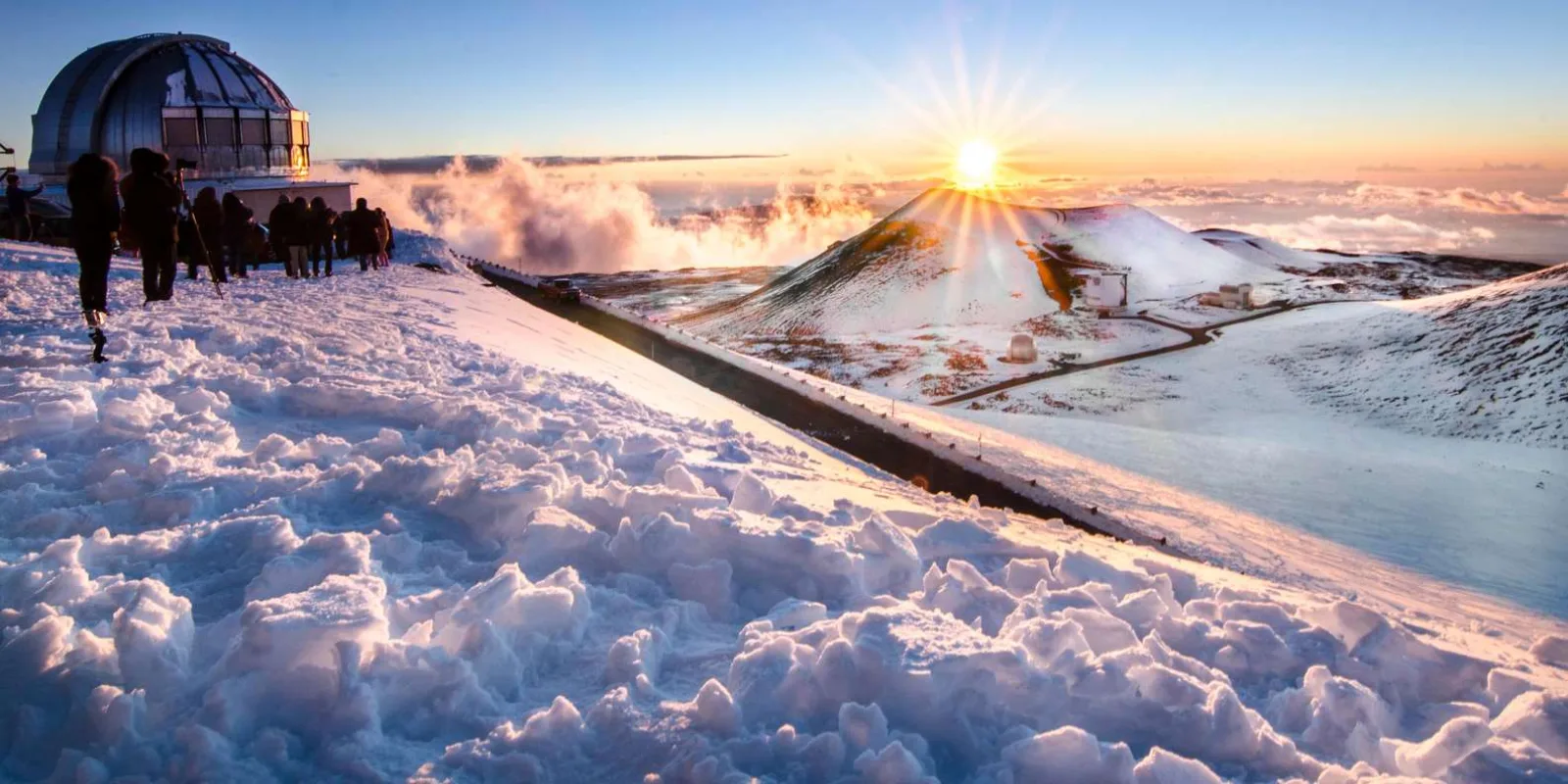 MOST POPULAR
Mauna Kea Summit Sunset & Stargazing Tour
Watch the sunset from the summit of Mauna Kea (13,796 ft) and stargaze through a professional telescope — with hot chocolate, warm parkas, and free night photos included.
 PREMIUM
Mauna Kea Summit Sunset & Star Tour with Photos
Drive to the 13,800 ft summit of Mauna Kea in a 4x4 van, photograph the sunset and stars with a professional DSLR camera, and stargaze through a refractor telescope — all images sent free.
Mauna Kea rises 13,796 feet above sea level on the Big Island of Hawaii — and from this elevation, the night sky looks like nothing you have ever seen. The summit sits above 40 percent of Earth’s atmosphere, above the marine cloud layer that blankets the island at night, and in one of the darkest, driest environments on the planet. It is why nine international observatories operate telescopes here, and why a guided stargazing tour to the summit is considered one of the great travel experiences in the Pacific. It is also, for the record, a volcano in its own right — dormant rather than extinct, and the tallest mountain on Earth measured from its seafloor base — though the lava show is entirely at Kīlauea, as our guide to Big Island volcano tours and Mauna Kea explains.
Why Astronomers Chose Mauna Kea
The Mauna Kea Observatories — an international complex of ten telescopes operated by nine observatories across the summit plateau — exist for a simple reason: this is the best place on Earth to observe the universe. The air above the summit is exceptionally stable, with minimal turbulence that would otherwise blur telescope images. Precipitation is rare on most nights of the year. The latitude, roughly 20 degrees north, provides access to 85 percent of the night sky across both northern and southern hemispheres. And because the Big Island has some of the strictest outdoor lighting regulations in the United States, the surrounding darkness is profound.
You do not need access to a research telescope to witness this. A good guided tour positions you at the summit for sunset, then descends to around 9,000 feet — the summit closes to visitors 30 minutes after sunset to protect the observatories from light pollution, which is why our sunset guide works backwards from the sunset time for your date — and deploys a consumer-grade but powerful telescope that, on a clear night, will resolve the rings of Saturn, the four Galilean moons of Jupiter, star clusters containing thousands of suns, and the diffuse glow of nebulae where new stars are forming. With the naked eye alone, the Milky Way stretches across the sky as a solid band of light — not the faint smear visible from most places on Earth, but a structure with texture, depth, and color. Exactly which of those objects is overhead depends on your date, which is what our month-by-month night sky guide is for — including the Southern Cross, visible from Hawaii and from almost nowhere else in the United States.
What a Guided Tour Actually Provides
The altitude is the reason a guided tour makes sense for almost every visitor. At 13,800 feet, the oxygen level is roughly 40 percent lower than at sea level. The symptoms of acute mountain sickness — headache, dizziness, nausea — can appear within minutes of arriving at the summit, particularly if you ascend quickly from sea level without acclimatization. Every reputable guided tour builds in a stop at the Mauna Kea Visitor Center (9,200 feet) to allow your body to adjust, and carries supplemental oxygen on board for guests who need it. It’s also why a guide, rather than a rental car, is the right call for most visitors — see our summit access and driving guide for the road itself, and the self-drive versus guided tour breakdown for the cost, rental-contract and brake-failure arithmetic behind that choice.
The Visitor Center stop also serves another purpose: it is where most tours begin the stargazing portion of the evening while you are still at a manageable altitude. Guides set up telescopes, explain the night sky using red-light pointers (which preserve night vision), and walk you through the mythology and navigation that Pacific Islander navigators used for thousand-year ocean voyages. The cultural context transforms a stargazing session into something that connects the sky above to the island below.
Warm gear is included on every main-line summit tour: heavy parkas, gloves, and usually hot drinks. Summit temperatures routinely drop to near-freezing after dark, even in summer. Without provided gear, the cold alone would cut the experience short.
Choosing the Right Tour for You
The major tours divide into a few clear categories, and only seven state-permitted companies run the summit trip at all — our operator-by-operator comparison sets them side by side on price, meals, telescopes and pickup point. The most popular option is the classic Mauna Kea Summit Sunset and Stargazing tour, operating from Hilo and reaching the 13,800-foot summit. With 738 verified reviews and a 4.8/5 rating, it consistently delivers the summit experience at a fair price. Parkas, gloves, snacks and hot chocolate are provided, and your guide’s night photos are emailed to you afterwards.
If you are traveling from the Kona side of the island, the Stellar Explorer from Kona departs from the west coast and handles the two-hour drive inland, making it the logical choice for those staying in Kailua-Kona or along the Kohala Coast — our guide to Mauna Kea tours from Kona lists every west-side pickup point and what the drive actually takes. A corresponding Stellar Explorer from Hilo operates for those staying on the eastern side, where the mountain is closest of all — our guide to Mauna Kea tours from Hilo covers the east-side operators, the hour-and-ten-minute run to the summit and why the rainiest city in America still gets clear summit nights.
For travelers who want to connect more deeply with Hawaiian culture and the significance of Mauna Kea to Native Hawaiians, the Hike and Stargazing with a Native Hawaiian Guide is exceptional. Operating from a sacred site at 9,394 feet, this tour replaces the summit drive with a walk through the cinder-cone landscape and a conversation about the stars through the lens of Hawaiian traditional knowledge — on the lower reaches of the same Humuʻula Trail that continues, far more punishingly, all the way to the top. At $150 per person, it is also the most accessible price point.
The Summit Sunset and Star Tour with Photos adds professional-quality astrophotography, returning images of celestial objects through the telescope — a technical feat that is genuinely difficult to replicate with a smartphone. At $300 per person, it suits travelers who want a tangible keepsake of the night sky.
Practical Logistics
When to go. Stargazing is possible year-round. Summer (May through September) offers the driest nights and warmest temperatures. New moon periods give the darkest skies. Winter nights can be spectacular when clear but carry a higher risk of cloud cover or summit closures due to snow or ice. Most operators will reschedule or refund if conditions prevent stargazing.
What to bring. Layers beneath the provided parka, closed-toe shoes, and any personal medication for altitude sensitivity. Leave perfumes and strong scents behind — at altitude, nausea can arrive quickly and you want nothing to accelerate it. Contact lens wearers should note that the summit air is very dry.
Who should not go. Children under 13 are not permitted on summit tours due to altitude risk. Pregnant women and guests with serious cardiac or respiratory conditions are advised to skip the summit and instead join a sea-level or Visitor Information Station session — our guide to stargazing beyond the summit maps every all-ages tour and free dark-sky spot on the island. The free Visitor Information Station is open to all ages, any night, for naked-eye stargazing — its old nightly loaner-telescope program ended in 2019, but a reservation-only monthly telescope event still runs for anyone who plans ahead.
Booking advice. Summit tours are small-group operations and sell out weeks in advance during summer and holiday periods. Free cancellation is available on all featured tours up to 24 hours before departure, so booking early and cancelling if travel plans change is a low-risk strategy. Last-minute availability is rare in June through August. For a full breakdown of operators, prices, and summit access rules, see our complete guide to Mauna Kea stargazing tours.
The View in Context
Standing at 13,796 feet on a dormant shield volcano in the middle of the Pacific Ocean, looking up at a sky containing 10,000 visible stars while a guide explains the physics of a nebula and the navigation of ancient Polynesian voyagers — this is one of those experiences that does not compress well into a photograph. The combination of scientific context, cultural depth, extreme altitude, and genuinely extraordinary darkness produces something that stays with people. Mauna Kea is not just a good stargazing spot. It is, by most measures, the best in the world.
Guest Reviews
What Stargazers Say
4.8/5
from 738 verified guests
"We had an amazing trip to Mauna Kea. Chris was a fantastic guide — he explained so much about the observatories and constellations. The laser pointer and telescope viewing were superb. Thank you for the goodie bag on top of all the beautiful sights!"
"Watching the sunset from the peak while learning about the significance of Mauna Kea was beautiful and fascinating. The stargazing was incredible — really puts life into perspective. Chris was knowledgeable about Hawaiian culture, geology, and constellations."
"I had the best time. Everything was well organized. Our guides were very knowledgeable and answered all our questions. I loved seeing the telescopes up close, the clouds beneath us, and the night sky. We observed a galaxy and a nebula — breathtaking."
Read all 738 verified reviews
See All ReviewsRatings and review counts are the operators' live GetYourGuide figures and change over time.
See the Universe from Mauna Kea
Join 1,500+ guests who rated Mauna Kea stargazing tours 4.8/5. Summit sunsets, professional telescopes, expert guides — and free cancellation on most tours. Starting from $289 per person.
Check Availability & BookCan't Make These Dates?
Browse More Available Options
Find a tour that fits your schedule — all with instant confirmation and free cancellation.
Mauna Kea Stargazing Tour — Frequently Asked Questions
Everything you need to know before booking your Mauna Kea night sky experience.
Tours range from $150 to $330 per person depending on duration, pickup location, and what's included. Budget-friendly options like the Native Hawaiian hike and stargazing experience start from $150. The most popular summit sunset + stargazing tours run $189 to $300, while premium options with private telescopes and dinner reach around $330. All tours include warm gear and expert guides; most include transportation. Our complete tour guide breaks down every operator's real 2026 rate, including the taxes and booking fees most quote pre-tax.
The most-booked tour by a wide margin is the Mauna Kea Summit Sunset & Stargazing experience, with 738 reviews and a 4.8/5 rating. It takes you to the 13,800 ft summit for sunset, provides parkas and hot chocolate, and uses a professional telescope for star viewing — with free night photos emailed after. For a unique cultural experience, the Native Hawaiian hike and stargazing tour at 9,400 ft is exceptional and rated 4.9/5 by 41 guests. See our complete guide to Mauna Kea stargazing tours for a full breakdown of every operator and price, or the operator-by-operator comparison if you want the seven permitted companies set side by side on meals, telescopes, group size and pickup point.
It depends on the tour. Summit-based tours reach 13,796 to 13,800 feet — among the highest readily accessible points on Earth. Stargazing itself is typically done slightly lower (9,000–12,000 ft) where temperatures are more manageable. The Native Hawaiian hike tour stars gaze from 9,394 ft. The shorter 2-hour astro-photography tour uses a secluded mid-slope location miles from light pollution. Combined volcano-and-stargazing tours stargaze from around 6,700 ft near Saddle Road rather than the summit — our volcano tour guide explains why no tour delivers both Kilauea and the summit in one day. The summit itself closes to visitors 30 minutes after sunset to protect the observatories from light pollution — see what you can and can't visit up there. Every one of those elevations is a point on a dormant post-shield volcano, which is why the slopes above 9,200 ft are so steep and the road so demanding: our guide to whether Mauna Kea is a volcano explains the geology behind the climb.
Yes — at 13,800 ft, the oxygen level is about 40% lower than sea level, and altitude-related symptoms (headaches, dizziness, nausea) are possible, especially if you ascend quickly. All guided tours include acclimatization stops, and most carry supplemental oxygen on board. People with heart or lung conditions, pregnant women, and children under 13 are generally not permitted on summit tours. Always consult a doctor if you have health concerns. See the summit access guide for the official acclimatization guidance and who should stay below 9,200 ft. The risk is considerably higher if you exert yourself at altitude rather than riding up in a van — our Humuʻula Trail guide covers why hiking to the summit is far more dangerous than driving to it.
Dress in warm layers — temperatures near the summit can drop to near-freezing or below, even in summer. Wear closed-toe shoes and long pants. Most tours provide warm parkas and gloves, but bringing a base layer or warm sweater under the provided gear is strongly recommended. Avoid open-toed shoes or shorts, which are not permitted on summit tours. Our day-of walkthrough covers exactly what to pack and what the guides hand out.
Stargazing is possible year-round, though summer (May to September) offers the most reliably clear skies and warmer temperatures at the summit. New moon periods provide the darkest skies and the best views of faint objects like nebulae and galaxies. Winter months can bring snow and road closures, though the skies are often exceptionally clear on clear-weather nights. Check the current Mauna Kea weather forecast before your tour. The complete guide covers seasonal cloud cover, moon phase, and winter road closures in detail, and our sunset guide has the month-by-month sunset times you need to work backwards from — plus the 30-minutes-after-sunset summit closure that shapes every evening up there.
Not if you book a guided tour — the operator provides a 4WD van for the summit section. The road above the Visitor Center (9,200 ft) requires a true 4WD vehicle with low range — AWD is not sufficient, 2WD is prohibited past the Visitor Center, and rangers turn vehicles back. Standard rental cars are contractually barred from the summit road. Guided tours handle all the logistics, including the technical summit road drive, so you can focus on the experience rather than the navigation. If you're weighing driving yourself, the summit access and driving guide covers rental-contract rules, low-range 4WD, and the $3,000 summit tow risk, and our self-drive versus guided tour breakdown runs the per-person cost comparison and the brake-failure numbers in full.
Most summit tours require guests to be at least 13 years old due to the altitude and physical demands. The Native Hawaiian hike and stargazing tour allows children aged 9 and older. The free Visitor Information Station at 9,200 ft is open to all ages for naked-eye evening stargazing — its old nightly loaner-telescope program ended in 2019, though a free reservation-only monthly telescope event still runs. If you're traveling with young children, the Visitor Information Station is the most accessible option; for older children and teens, the guided summit tours are a once-in-a-lifetime experience. Two guided tours do take all ages by stargazing from Mauna Kea's lower slopes instead of the summit — our guide to stargazing beyond the summit covers both, plus every free dark-sky spot on the island.
No guide can guarantee clear skies — weather on Mauna Kea can change rapidly, and clouds or fog can obscure the stars. However, at the summit's extreme altitude, you're often above the cloud layer, which dramatically improves the odds of a clear view compared to sea level. Most operators offer rescheduling or refunds if conditions prevent stargazing. Free cancellation is available on most tours up to 24 hours before departure.
On a clear night, guided telescopes on Mauna Kea can reveal planets (Saturn's rings, Jupiter's moons, Mars), star clusters, nebulae (glowing clouds of gas and dust), distant galaxies, and binary star systems. The Milky Way is visible with the naked eye on clear dark nights. The specific objects depend on the time of year and what's positioned in the current night sky — your guide will focus on the most impressive visible objects. Our month-by-month night sky guide sets out exactly what is up there in each month of the year — and is honest about the fact that nebulae and galaxies look grey through an eyepiece, however good the telescope. Note you won't look through the research telescopes — they have no eyepieces.
Book as early as possible — popular tours like the Mauna Kea Summit Sunset & Stargazing experience fill weeks in advance, especially during peak summer months (June to August) and holiday periods. Most tours offer free cancellation up to 24 hours before, so booking early and cancelling if needed is a low-risk strategy. Small-group departures sell out the fastest, and weekends around a new moon go first. If you're staying on the west side, our guide to Mauna Kea tours from Kona covers which operators pick up there and how far ahead each one fills; on the east side, the guide to Mauna Kea tours from Hilo does the same, including Arnott's two-guest minimum and its lodge-stay discount.
Still have questions? Email us at info@maunakea-stargazingtours.com
Plan Your Trip
Explore Mauna Kea
Everything we've researched and verified about visiting the mountain — planning guides, access rules, and every tour we list.
Planning Guides
- Is Mauna Kea a Volcano?
- Mauna Kea Tours from Hilo
- Hiking the Humuʻula Trail
- What You'll See in the Mauna Kea Night Sky
- Stargazing on the Big Island Beyond the Summit
- Sunset on Mauna Kea
- Big Island Volcano Tours and Mauna Kea
- Self-Drive vs Guided Tour: The Honest Cost and Risk Breakdown
- Mauna Kea Summit Tour Operators Compared
- Mauna Kea Tours from Kona
- Mauna Kea Observatories: What You Can Actually Visit
- Mauna Kea Stargazing Tours: The Complete Guide
- Mauna Kea Summit Access & Driving Guide
- Mauna Kea Visitor Information Station (VIS): The Complete Guide
- What to Expect on a Mauna Kea Stargazing Tour
Tours & Experiences
- Big Island Volcano & Stargazing Tour with Dinner | $276
- Mauna Kea Hike & Stargazing with Native Hawaiian | $150
- Mauna Kea Stellar Explorer from Hilo | $189
- Mauna Kea Stellar Explorer from Kona | $239
- Mauna Kea Summit Dinner & Private Star Show | $330
- Mauna Kea Summit Star Tour with DSLR Photos | $300
- Mauna Kea Sunset & Stargazing Tour | From $289